Bodywork is hands-on care, paced by the horse
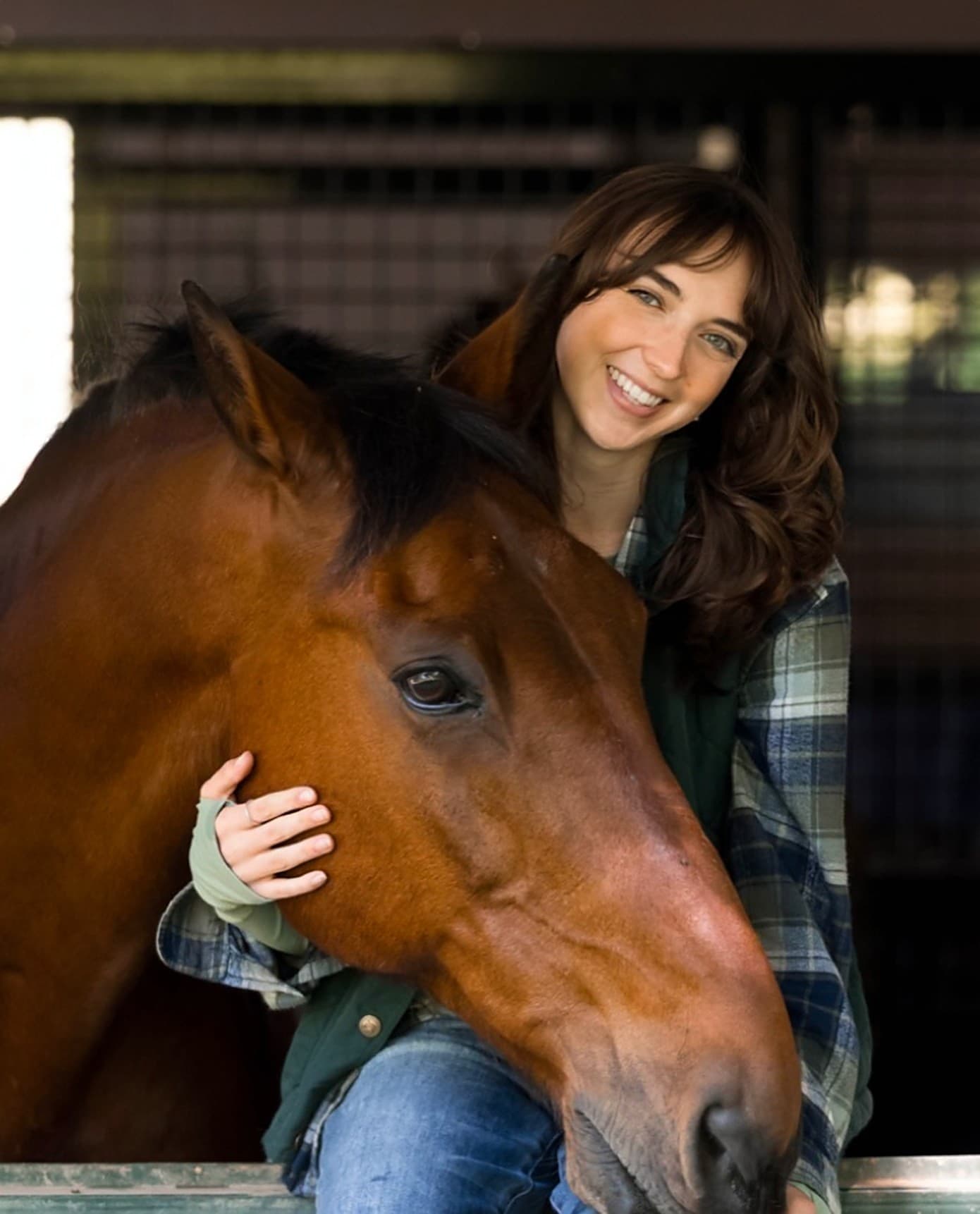
Equine bodywork is gentle, hands-on care. Through light touch, slow stretches and careful observation of how a horse stands and moves, a session helps muscles release tension and invites the horse to settle and soften.
Work, travel, a change of routine or an old injury can leave a horse with small compensation patterns, or holding tension in the back, neck or shoulders. A session gives those areas slow, steady attention.
Every horse is treated as an athlete, with a care plan unique to them. Their whole body is assessed together, because it works together, not as separate pieces.
It is comfort-focused and non-medical. The goal is a horse who feels a little easier in their body and a little more at home in their own movement.
What a horse may get out of regular bodywork
- Everyday comfort
- Easing areas of tension so standing, grazing and moving feel a little more comfortable through the day.
- Freer movement
- Encouraging softer, more even movement by inviting tight muscles to release and relax.
- Calm and connection
- Many horses lower their head, lick and chew, or doze as they relax during a session.
- Supported recovery
- A gentle complement to the rest and care your horse already receives, working alongside your veterinary team.
- Body awareness
- Time spent noticing how your horse stands, shifts and moves, so changes are easier to spot early.
- A steady routine
- Sessions every few weeks, planned around your horse’s work.
At your barn, at your horse’s pace
Sessions take place at your barn, on familiar ground. If your horse needs a break or wants to move off, the session waits.
- 1
Settling in
A few minutes to say hello and let your horse get used to someone new, while we talk with you about their past history and your goals for the session and your horse.
- 2
Watching how they move
Observing how your horse stands, shifts their weight and moves, to understand where they might be holding tension or compensating throughout their body.
- 3
The hands-on work
Gentle contact, slow stretches and myofascial release techniques, always watching the horse’s responses and following their comfort.
- 4
Afterward
A little time for your horse to settle, and a short note on what came up, what to watch for and recommended stretches for your horse.
Ways to work together
Pricing starts at $100 a session. If you are not sure which to choose, start with a first visit.
Full-body bodywork session
About 60 minutesAbout an hour at your barn: gentle touch and slow stretches from head to tail. Focused on myofascial release, with sports massage techniques integrated as needed.
Starting at $100 a sessionFirst visit & assessment
A little longerAn unhurried introduction: time to settle in, a look at how your horse stands and moves, and light first hands-on work that follows their comfort.
Starting at $100 a sessionMaintenance package
A set of visitsA set of visits on a regular schedule, planned around your horse.
Ask about packagesGroup barn booking available
We work with owners and trainers and full barns.
- Take the quick check
Not sure it fits your horse?
Six yes-or-no questions, about a minute. Nothing is saved.
Pricing starts at $100 a session; package pricing is shared when you reach out. Bodywork is supportive, non-medical care that works alongside your veterinarian and farrier.
Better together: owners, riders & trainers
A horse’s well-being is shaped by more than what happens during a single session. The way they move, the work they do, their daily routines, and the people caring for them all play a part.
At Dedicated Motion, I value working alongside owners, riders, and trainers to better understand each horse as an individual. Your observations matter. Whether you’ve noticed a change in how your horse moves, a pattern of tension after work, or simply want to make bodywork part of their regular care, your insight helps guide each session.
My goal is to complement the work you’re already doing, share observations from each visit, and offer practical suggestions when appropriate. Bodywork is one piece of the bigger picture, and I believe the best support comes from a team that keeps the horse’s comfort at the center.
Every horse deserves an approach that respects their individual needs, workload, and pace.
Have a horse in your program you think could benefit? Let’s talk.